You feel a new wheelset straight away: when you accelerate, in how the bike holds speed on the flat, and in how it steers and damps the road. But not every wheelset fits every bike, and deeper or lighter is not automatically better. Below are the road and gravel wheelsets we build and ride ourselves, with a note on what each one does best.
Quasar Wheels is our own brand. Whenever we recommend Quasar, we say so.
Buying guide: how to choose the right wheelsets
Carbon or aluminium: what does it really buy you?
At the same rim depth a carbon wheelset is lighter and stiffer, and it makes deep, aerodynamic rims possible without the wheel becoming a lump. On the flat and in a group you mostly feel the aerodynamics; climbing and accelerating, mostly the weight. An aluminium wheelset is more affordable, forgiving on rough roads and remains a fine training or winter wheel.
How much you gain depends heavily on what you have now. If you are on the stock wheels that came with a complete bike, stepping up to a good carbon set is often the biggest upgrade available to you. If you already run a light aluminium set, the difference is smaller and mostly noticeable above 30 km/h.
Which rim depth suits exposed, flat roads?
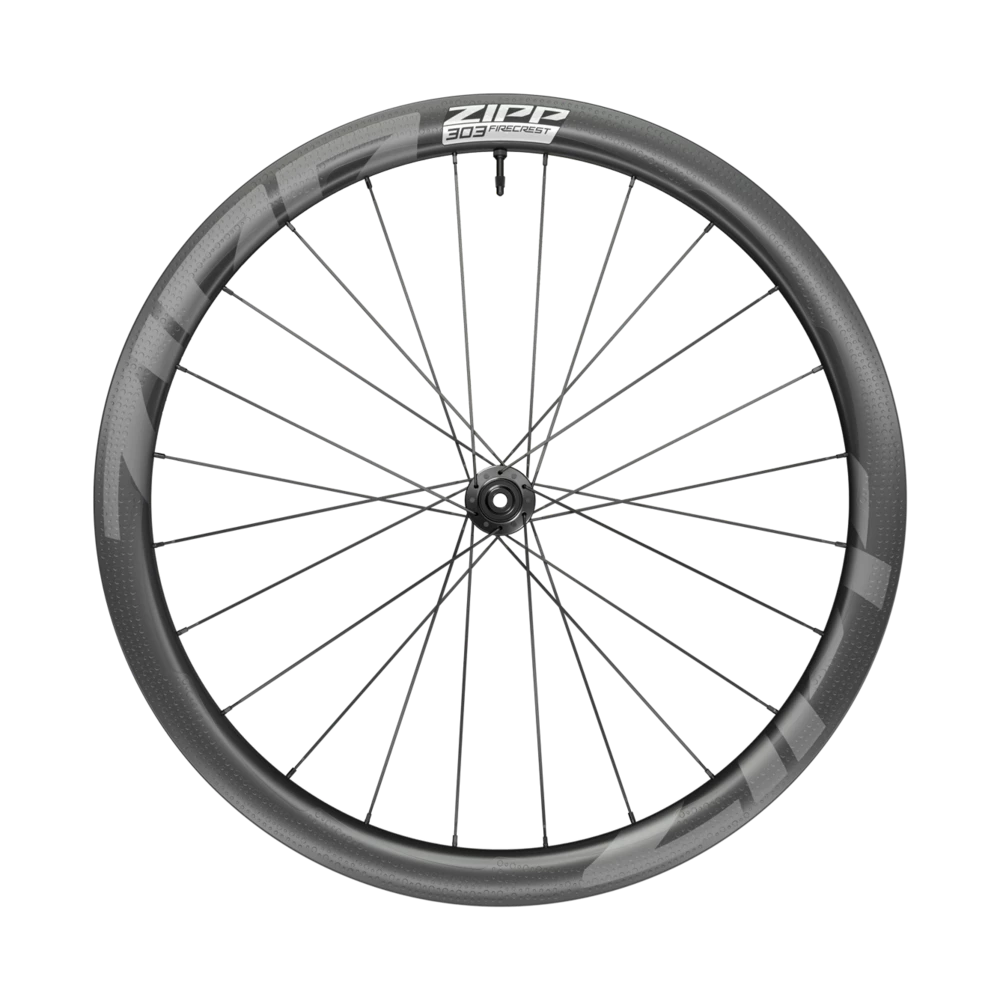
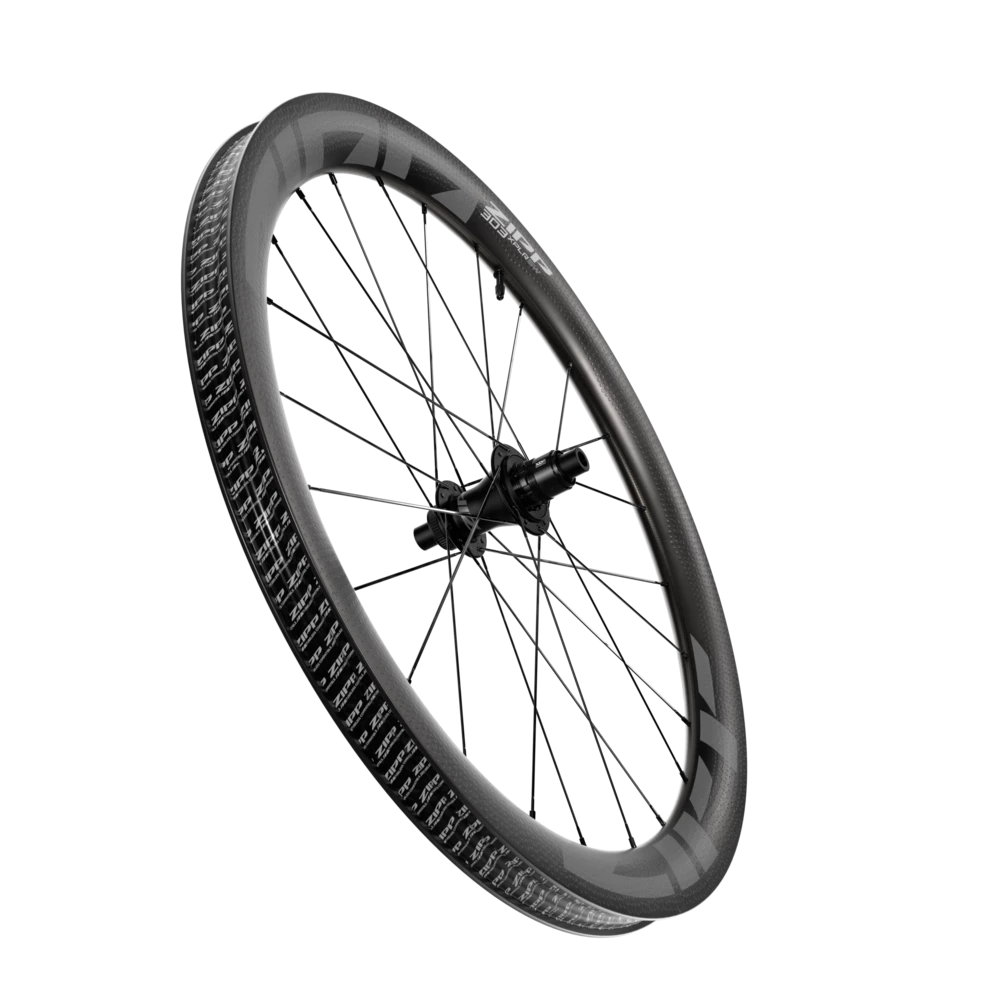
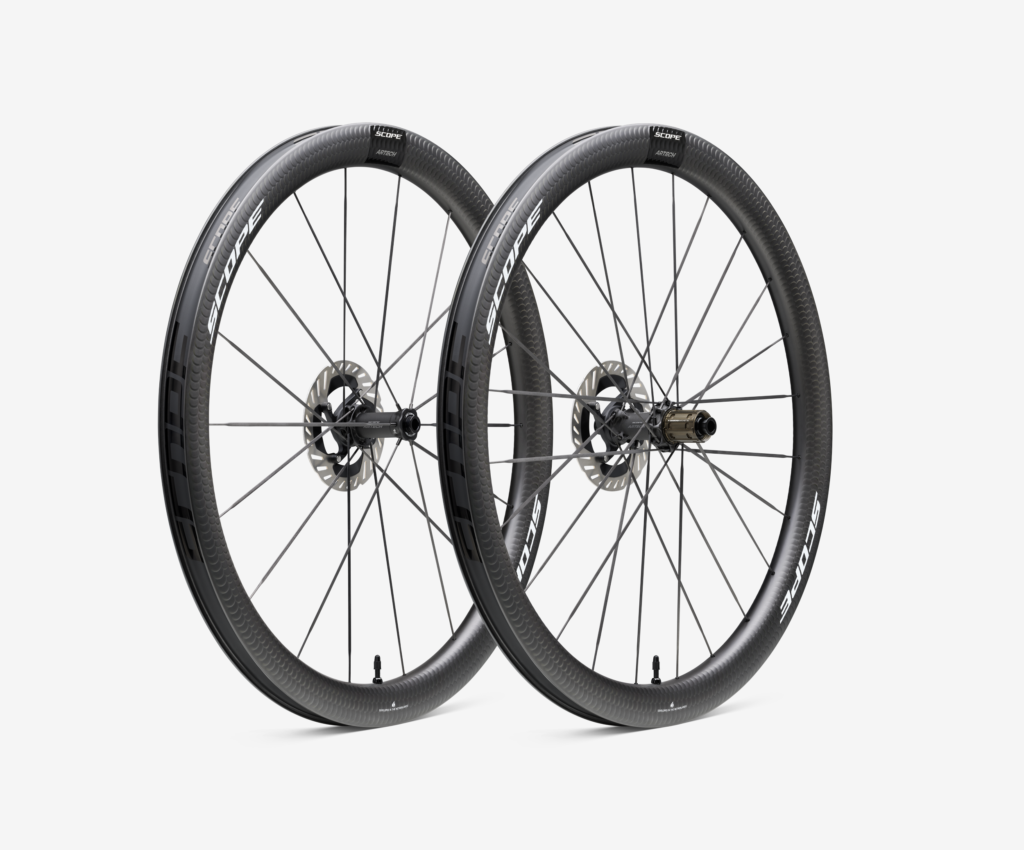
The Netherlands is flat and windy. Deep rims therefore pay off more often than in the mountains, but you feel the crosswind more too. A rim depth between 40 and 50 mm is the best balance for most riders: clearly faster than a shallow rim and still manageable on an exposed dyke road. That is why most of the wheelsets in our list sit in that range, such as the Zipp 303 Firecrest (40 mm), the Scope Artech 4 (45 mm) and the Roval Rapide CLX III (51 mm front, 48 mm rear).
If you are light, or ride a lot near the coast, lean towards the shallower end. For gravel, rim depth matters less; there a wide, strong rim is what counts.
Hookless or hooked: what it means for your tyres
Hookless rims have no bead hook holding the tyre in place. That makes the rim stronger and lighter to produce, but it puts demands on your tyres: you may only fit tyres the manufacturer has approved for hookless, the standard caps tyre pressure at 5 bar, and there is usually a minimum tyre width. On the Zipp 303 Firecrest, for example, that is 28 mm.
Hooked rims, such as the Roval Rapide or the Scope Artech 4, can be used more widely: more tyre choice and a higher maximum pressure. If you already run 28 mm or wider, you will notice little of that restriction in practice. Read more in our article on hookless rims and tyre pressure.
How to make sure your new wheelset actually fits
Check four things before you buy: the axle size of your frame and fork (almost always a 12 mm thru-axle on modern road bikes), the freehub for your cassette (Shimano HG, Shimano Micro Spline, SRAM XDR or Campagnolo), the rotor mounting (centre lock or 6-bolt) and the maximum tyre width of your frame. The wrong freehub is the most common slip-up, but usually cheap to swap.
Frequently asked questions
What does a new wheelset actually give you?
Often more than other upgrades. Lighter wheels accelerate and climb more easily, deeper rims are faster on the flat, and a wider rim gives the tyre a better shape for grip and comfort. Exactly how much you gain depends on your current wheels and how you ride.
Does every wheelset fit my bike?
No. Check the axle size, the brake type (disc or rim), the rotor mounting, the freehub for your cassette and the maximum tyre width your frame allows. If in doubt, take your bike to the shop.
What does tubeless-ready mean?
That you can run the wheels without inner tubes, using tubeless tyres and sealant. That reduces the chance of a puncture and lets you run lower pressures for more comfort and grip.
Are deep rims difficult in crosswinds?
The deeper the rim, the more you feel the wind. Modern rim shapes are far more stable than they used to be, but lighter riders and those who ride exposed, open country often choose a mid-depth rim.
Is a carbon wheelset worth it for a recreational rider?
If you ride regularly and are currently on stock wheels, you will feel the difference immediately: the bike responds more keenly and holds speed more easily. Whether it is worth the money depends on your budget. A mid-range carbon set delivers most of the gain for a fraction of the price of a flagship.
Which rim depth is best for flat, windy country?
For most riders, 40 to 50 mm. That is faster than a shallow rim and still easy to steer in a crosswind. If you are light or ride a lot along the coast, lean towards 40 mm.
Can I use a road wheelset for gravel too?
Sometimes. Modern road rims with an internal width of 21 to 25 mm often take tyres up to around 35 to 38 mm. For proper gravel with wider tyres at low pressure, a gravel wheelset with a wider rim is stronger and more comfortable.
Some links on this page are partner links. If you buy something at a shop through such a link, we earn a commission at no extra cost to you. It does not shape our choices. Quasar is our own brand, and we say so with every Quasar recommendation. Prices are indicative.
 1